Ceiling Removal Service in Denver, CO
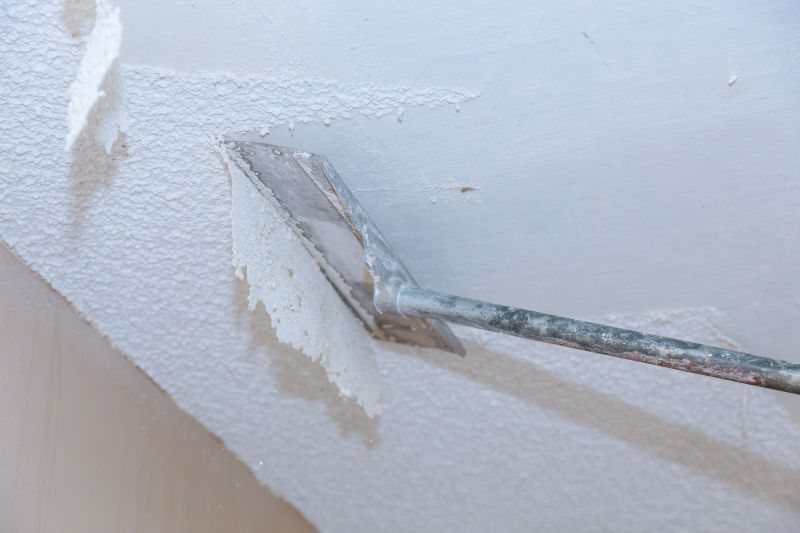
Ceiling removal services involve the careful dismantling and removal of existing ceilings in residential properties. This process is commonly requested for projects such as remodeling, basement finishing, or updating outdated ceiling styles like popcorn or acoustic panels. Homeowners typically want to understand the scope of work, including whether the removal will affect electrical wiring, HVAC systems, or insulation, and how the debris will be managed and disposed of during the process.
Before requesting ceiling removal, property owners should consider the condition of the existing ceiling and any potential structural or utility components that may be hidden behind it. It’s also important to clarify whether the project includes preparing the space for a new ceiling installation afterward. Understanding these details can help ensure the project proceeds smoothly and aligns with the overall renovation or remodeling plans.
Many property owners in Denver, CO look into Ceiling Removal Service for repairs, replacements, upgrades, and appearance-related improvements.
Ceiling Removal Options
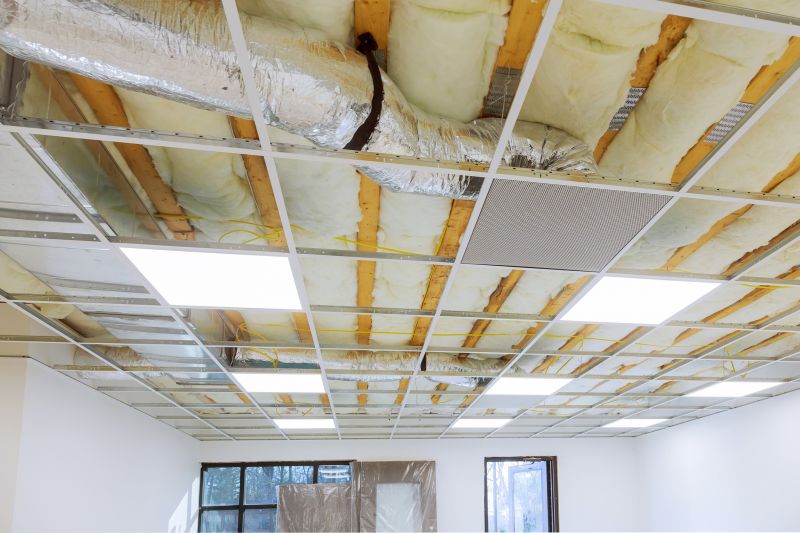
Various ceiling removal techniques are available to suit different types of ceilings and property styles in denver, co.
Common Reasons For Removal
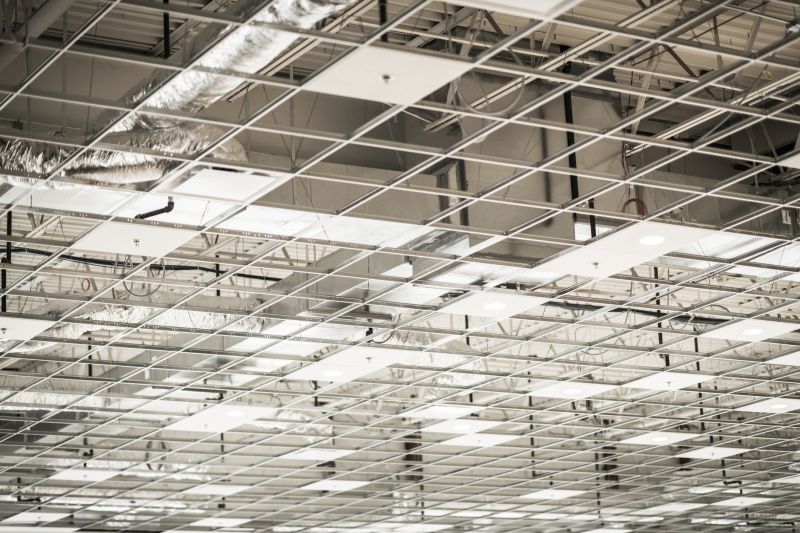
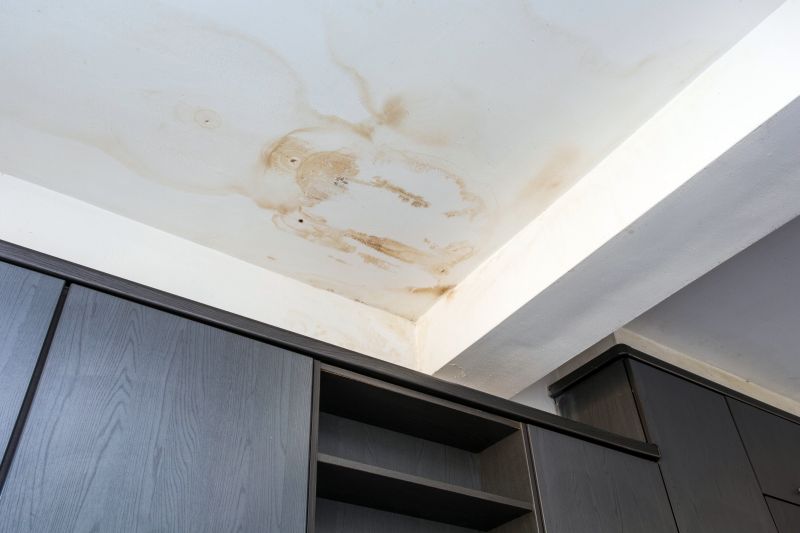
Ceiling removal is often needed to update outdated designs, repair water damage, or prepare for new fixtures in residential and commercial spaces.
Safety And Preparation
Proper safety measures and preparation are essential to ensure a smooth and secure ceiling removal process in any property setting.
Ceiling Removal Service in Denver, CO

Ceiling removal services involve the careful dismantling and removal of existing ceilings in residential properties. This process is commonly requested for projects such as remodeling, basement finishing, or updating outdated ceiling styles like popcorn or acoustic panels. Homeowners typically want to understand the scope of work, including whether the removal will affect electrical wiring, HVAC systems, or insulation, and how the debris will be managed and disposed of during the process.
Before requesting ceiling removal, property owners should consider the condition of the existing ceiling and any potential structural or utility components that may be hidden behind it. It’s also important to clarify whether the project includes preparing the space for a new ceiling installation afterward. Understanding these details can help ensure the project proceeds smoothly and aligns with the overall renovation or remodeling plans.
Many property owners in Denver, CO look into Ceiling Removal Service for repairs, replacements, upgrades, and appearance-related improvements.
Common Ceiling Removal Service Jobs
Ceiling removal involves safely taking down existing ceilings for renovation or repair projects.
Drywall ceiling removal is often needed to replace damaged or outdated ceiling surfaces.
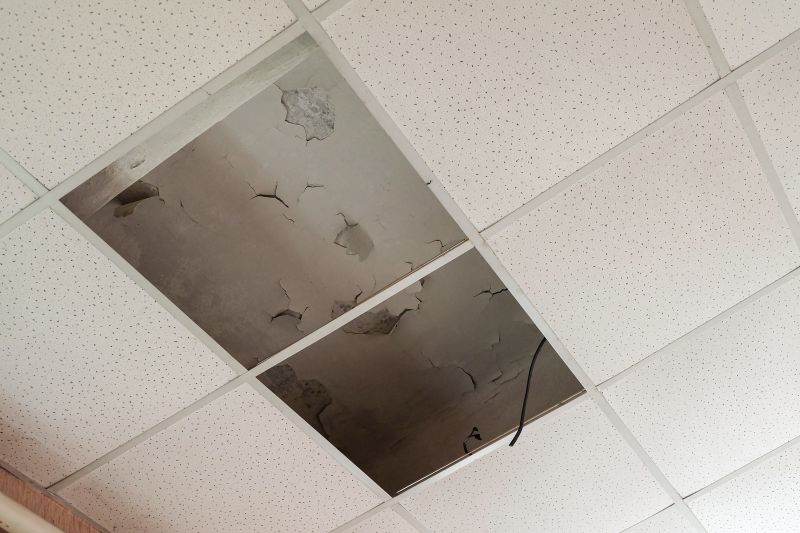
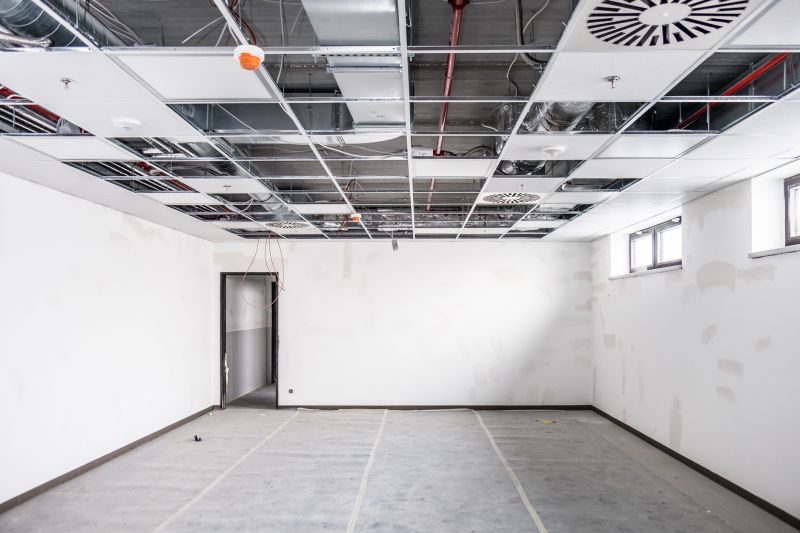
Suspended ceiling removal allows for access to utilities or updating interior design.
Popcorn ceiling removal is a common service to update ceilings with textured finishes.
Asbestos ceiling removal is performed when older ceilings contain hazardous materials.
Ceiling removal for remodeling prepares spaces for new design features or structural changes.
Ceiling Removal Service Questions
What types of ceilings can be removed? Ceiling removal services typically handle drywall, plaster, popcorn, and suspended ceilings for various property types.
Why might someone need ceiling removal? Common reasons include remodeling, repairing water damage, or updating ceiling finishes to improve interior aesthetics.
Is ceiling removal suitable for all rooms? It is suitable for most interior spaces, especially where ceilings are damaged, outdated, or need to be opened for electrical or HVAC work.
What should property owners know before removal? Proper preparation and understanding of structural elements are important, and it may involve managing debris and dust during the process.
Request Ceiling Removal Service in Denver, CO
Use the quote form on this page to share the basics of your project and request more information for the type of work you need.